


Nail Dust Allergy in Manicurists: Symptoms, Causes and Protection Methods
Every day, a nail technician spends several hours in contact with dust generated during the removal of gel polish, acrylic, polygel and the filing of natural nails. Most professionals notice only the visible dust on the table, but the greatest danger comes from the smallest particles, which remain in the air long after the procedure has been completed.
That is why, in recent years, more and more nail technicians have experienced allergies, chronic coughing, irritation of the mucous membranes and other occupational health problems.
Why is nail dust dangerous?
When working with an electric nail drill rotating at a speed of 20,000–50,000 revolutions per minute, artificial nail material is literally transformed into an aerosol consisting of thousands of microparticles.
It contains:
- particles of natural nails;
- gel polish dust;
- base coat dust;
- acrylic particles;
- polygel particles;
- residues of decorative materials.
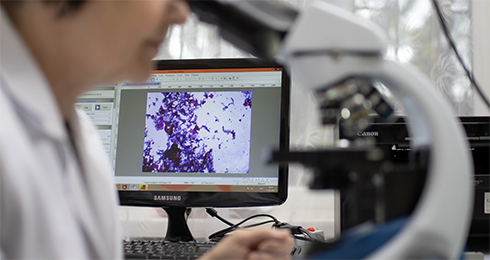
According to SHEMAX research, 61.8% of all manicure dust consists of particles smaller than 250 μm, which can easily move through the air and remain suspended for a long time.
Even smaller particles pose a particular danger. Dust measuring less than 10 μm (PM10) can enter the upper respiratory tract, while particles smaller than 5 μm can reach the lung tissue. Long-term and regular exposure to these particles is associated with the development of occupational lung diseases.
Does gel and acrylic dust accumulate in the lungs?
Yes, but it is important to understand this process correctly.
The lungs have natural cleansing mechanisms. However, when fine dust is inhaled every day for many years, some microparticles may remain in the respiratory tract and lung tissue.
The SHEMAX study states that:
- fine particles can remain in the air for a long time;
- they can easily enter the respiratory tract;
- dust can settle in the lungs;
- long-term exposure increases the risk of occupational diseases, including pneumoconiosis.
Therefore, the greatest danger is caused not by a single day of work, but by constant, long-term exposure to dust without proper workplace ventilation.
What are the symptoms of a nail dust allergy?
In the early stages, symptoms may be barely noticeable, which is why many nail technicians do not associate them with their profession.
The most common symptoms include:
- frequent sneezing;
- nasal congestion;
- a runny nose after work;
- a dry cough;
- a sore or irritated throat;
- watery eyes;
- redness of the eyes;
- itchy skin;
- irritation of the mucous membranes;
- shortness of breath.
Without proper protection, the allergic reaction may progress.
The study also states that long-term exposure to dust may contribute to the development of:
- allergic bronchitis;
- bronchial asthma;
- chronic obstructive pulmonary disease;
- conjunctivitis;
- contact dermatitis;
- eczema.
Why do nail technicians develop allergies?
The dust itself is not the only cause.
During the removal of artificial nail coatings, particles containing various chemical components are released into the air.
In particular, SHEMAX research draws attention to the presence of the following substances in some materials:
- methacrylates;
- formaldehyde;
- toluene;
- dibutyl phthalate;
- formaldehyde resins and other components that may cause allergic reactions in sensitive individuals.
The combination of mechanical irritation caused by fine dust and exposure to chemical substances places additional strain on the body.
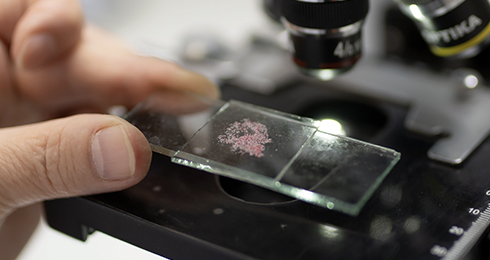
The most dangerous dust is the dust you cannot see
Most nail technicians clean their workstations after each client and consider them clean.
However, the study showed a different result.
Fifteen minutes after filing has been completed, fine dust rises to the level of the nail technician’s and client’s heads.
After 30 minutes, its concentration remains almost unchanged, because microparticles settle very slowly without a powerful airflow.
Therefore, even after the procedure has ended, the nail technician continues to inhale dust while already working with the next client.
How can you protect yourself from nail dust?
It is impossible to prevent dust from forming completely.
However, its concentration can be significantly reduced.
Experts recommend:
- using a professional nail dust collector;
- wearing a high-quality protective mask;
- ventilating the room regularly;
- using hypoallergenic materials;
- replacing filters on time;
- keeping the workstation clean.
Why choose a SHEMAX nail dust collector?
During the study, work performed without a dust collector was compared with work performed using the SHEMAX Style PRO tabletop nail dust collector.

The results showed that when the nail dust collector was used:
- the concentration of fine dust during the procedure was significantly reduced;
- most of the nail dust was immediately captured by the filter;
- dust did not spread throughout the salon;
- a dense dust cloud did not form around the nail technician and client.
Powerful suction is the key advantage of professional SHEMAX nail dust collectors. Instead of allowing dust to rise into the air and enter the respiratory system, the device captures it directly at the source.
The less dust enters the air, the lower the occupational strain on the nail technician’s lungs.
Conclusion
A nail dust allergy is not a coincidence. It is one of the most common occupational health problems among nail technicians.
The greatest danger comes not from the large particles left on the table, but from fine dust generated by gel, acrylic and other materials. This dust remains in the air for a long time and is regularly inhaled during work.
That is why a professional nail dust collector is not only essential for keeping the workstation clean, but also an important element of protecting the nail technician’s health. SHEMAX research confirms that using a powerful dust collector helps significantly reduce the concentration of dust in the working area and minimise its spread throughout the room.